
Understanding Aviation Obstruction Light Classifications
What Are Aviation Obstruction Lights?
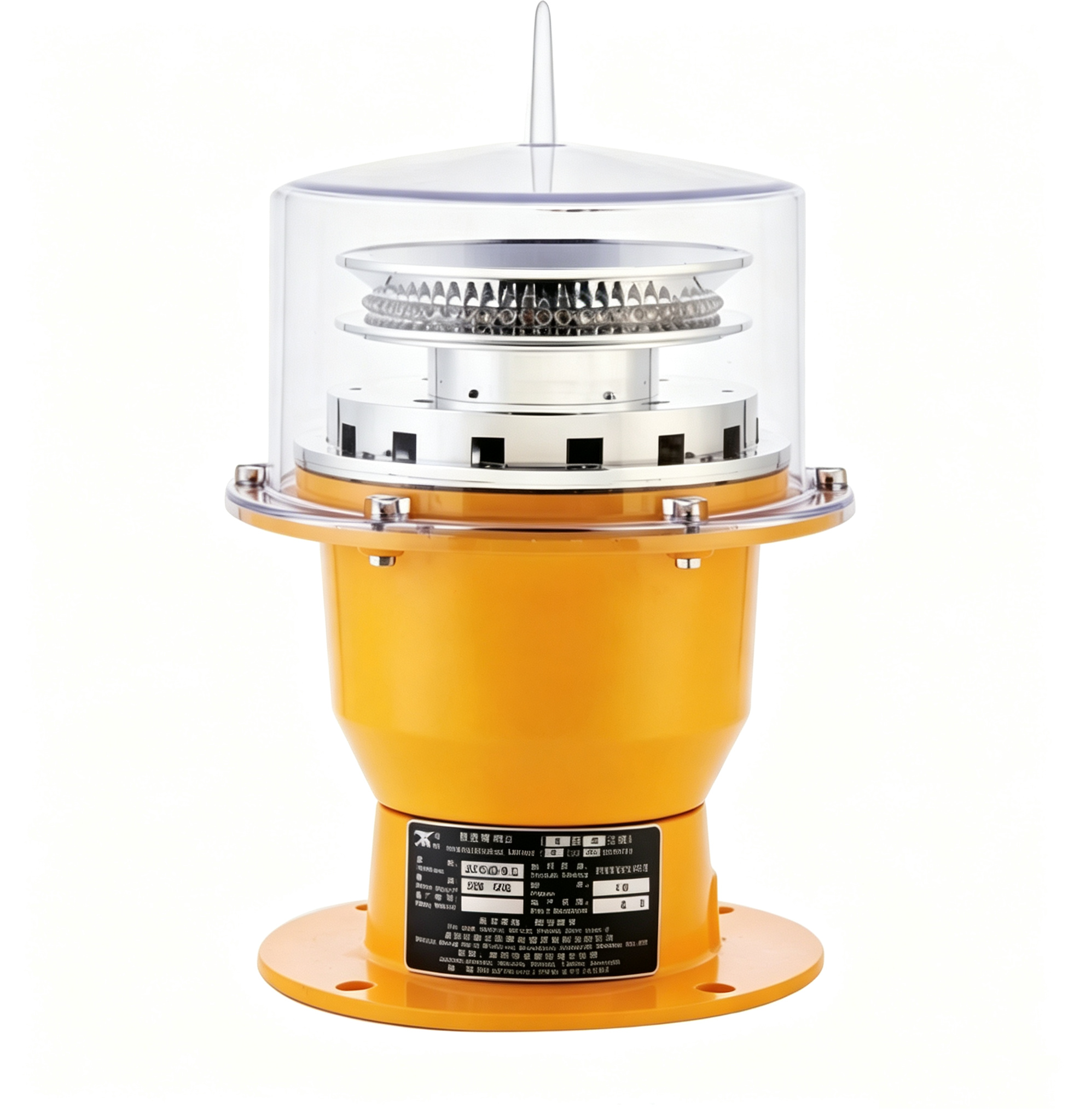
Aviation obstruction lights are specialized signaling devices installed on structures that could pose a hazard to aircraft in flight. These lights ensure that pilots can detect and avoid obstacles, particularly during low visibility conditions or nighttime operations. The International Civil Aviation Organization (ICAO) has established clear classification standards based on light intensity and flashing patterns.
Understanding these classifications is essential for engineers, building managers, and aviation safety professionals who need to select the appropriate lighting for their structures. The right classification ensures compliance with international regulations while providing optimal visibility for aircraft.
How Are Obstruction Lights Classified?
Obstruction lights are primarily classified into three categories based on their luminous intensity and intended application: low-intensity, medium-intensity, and high-intensity lights. Each category serves specific types of structures and height ranges.
Low-Intensity Obstruction Lights
Low-intensity obstruction lights are designed for structures that do not pose a significant hazard to aviation. These are typically red steady-burning lights used on buildings, towers, and other structures below certain height thresholds. They come in three sub-types:
- Type A: Red steady-burning light with 10 candela intensity, suitable for smaller obstacles
- Type B: Red steady-burning light with 32 candela intensity, providing enhanced visibility
- Type C: Red steady-burning light with 200 candela intensity, used for more prominent obstacles
These lights are energy-efficient and require minimal maintenance, making them ideal for residential and commercial buildings of moderate height.
Medium-Intensity Obstruction Lights
Medium-intensity obstruction lights provide greater visibility for taller structures that require enhanced marking. These lights can be configured as either red steady-burning or white flashing lights, depending on the specific application and regulatory requirements.
Medium-intensity lights are commonly installed on structures ranging from 45 meters to 150 meters in height. They offer a balance between visibility and energy consumption, making them suitable for telecommunications towers, industrial chimneys, and mid-rise buildings.
High-Intensity Obstruction Lights
High-intensity obstruction lights are reserved for very tall structures such as skyscrapers, transmission towers, and other obstacles exceeding 150 meters. These are white flashing lights with extremely high luminous intensity, ensuring maximum visibility even in challenging weather conditions.
High-intensity lights are critical for structures that penetrate approach surfaces near airports or those located in high-traffic aviation corridors. Their powerful flashing pattern ensures that pilots can identify and avoid these obstacles from significant distances.
What Are the Application Scenarios for Each Type?
Selecting the appropriate obstruction light classification depends on several factors including structure height, location, proximity to airports, and local regulatory requirements. Here's a practical guide to application scenarios:
Low-intensity lights are best suited for:
- Buildings under 45 meters in height
- Residential and commercial structures in non-aviation-critical areas
- Towers and poles that do not significantly obstruct flight paths
Medium-intensity lights are ideal for:
- Structures between 45 and 150 meters tall
- Telecommunications and broadcasting towers
- Industrial facilities with tall chimneys or stacks
- Bridges and elevated roadways near airports
High-intensity lights are required for:
- Skyscrapers and supertall buildings
- High-voltage transmission towers
- Structures exceeding 150 meters in height
- Obstacles near airport approach or departure paths
Conclusion
Understanding aviation obstruction light classifications is crucial for ensuring flight safety and regulatory compliance. Whether you're planning a new construction project or upgrading existing obstacle lighting, selecting the right intensity and type based on ICAO standards will protect both aircraft and your investment. Always consult with aviation lighting specialists and local authorities to determine the exact requirements for your specific structure and location.